
By Samantha Rockson
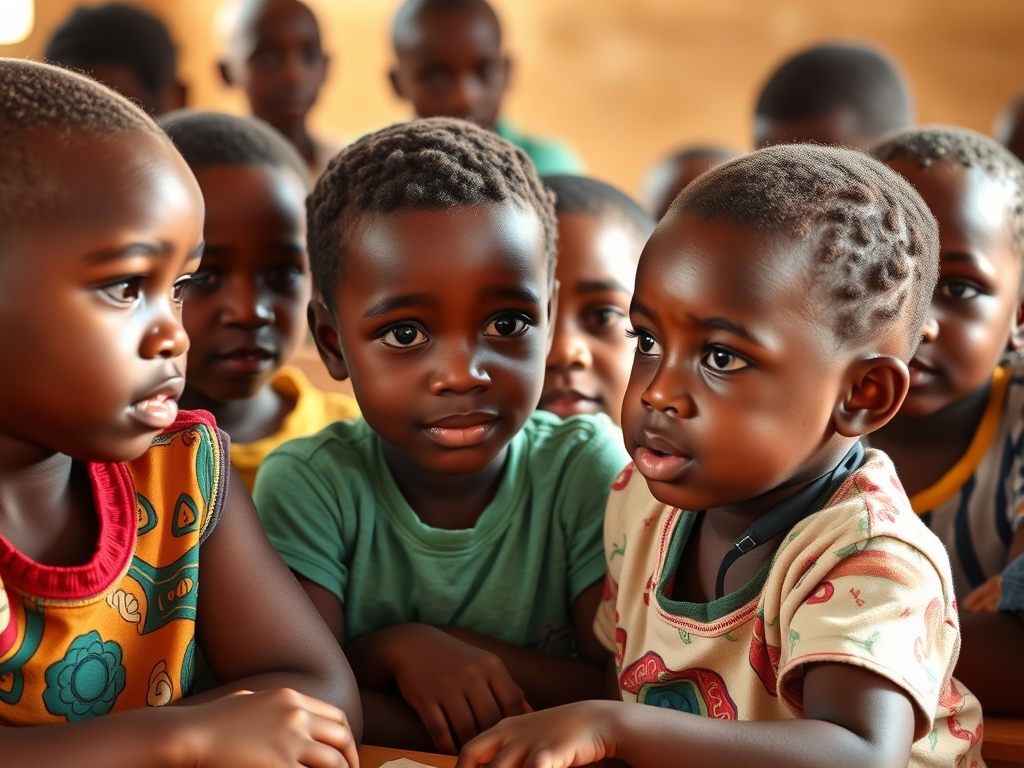
Across Africa, a quiet revolution is taking place — not in politics, not in technology, but in the classroom. As we move toward 2026, education systems across the continent, especially in West Africa, Ghana, and Nigeria, are shifting their focus toward something deeper than grades, exams, or certificates.
They are turning their attention to the heart of learning — Social and Emotional Learning (SEL).
This shift is not a trend. It is a recognition of what the world now demands: children who are not only academically capable, but emotionally intelligent, resilient, empathetic, confident, and able to thrive in a rapidly changing world.
And parents have a powerful role to play.
Why SEL Matters More Than Ever
For decades, African parents have prioritised academic excellence — and rightly so. Education has always been the ladder to opportunity. But today’s world requires more than memorisation and high test scores.
Children need:
- Confidence to speak up
- Resilience to bounce back from challenges
- Empathy to understand others
- Self‑control to manage emotions
- Critical thinking to solve problems
- Collaboration skills to work with diverse people
These are the skills that employers value, communities need, and future leaders must possess.
As African education systems adopt new frameworks that emphasise SEL, parents have a unique opportunity to reinforce these skills at home — where learning truly begins.
Parents Are the First SEL Teachers
Before a child ever steps into a classroom, they learn from you — how you speak, how you handle stress, how you treat others, how you solve problems, how you love.
SEL begins in the home.
Here’s how parents can nurture these essential skills:
1. Teach Emotional Awareness
Help your child name their feelings — joy, frustration, fear, excitement.
Children who understand their emotions can manage them better.
2. Model Calmness
Your child watches how you react. When you stay calm, they learn to do the same.
3. Encourage Problem‑Solving
Instead of giving answers, ask questions like:
“What do you think we should try?”
This builds confidence and independence.
4. Celebrate Effort, Not Just Results
Praise persistence, creativity, and courage.
This teaches children that growth matters more than perfection.
5. Build Empathy Through Conversation
Ask your child how others might feel in different situations.
Empathy is the foundation of strong relationships.
6. Create a Safe Space for Mistakes
Children who are afraid to fail never learn to fly.
Let them know mistakes are part of learning.
Future Depends on Emotionally Strong Children
As Ghana, Nigeria, and other West African nations integrate SEL into their national education strategies, they are preparing children for a future where emotional intelligence is just as important as academic intelligence.
Imagine a generation of African children who:
- Can manage stress in healthy ways
- Can communicate confidently
- Can collaborate across cultures
- Can lead with empathy
- Can innovate with courage
- Can adapt to change with resilience
This is the Africa we are building — one emotionally strong child at a time.
Parents, This Is Your Moment
The world is changing, and education is changing with it. But the most powerful change begins at home.
You don’t need special training.
You don’t need expensive tools.
You simply need intention.
Every conversation, every bedtime story, every moment of patience, every lesson in kindness — these are the seeds of social and emotional learning.
And when parents and schools work together, our children don’t just succeed academically. They flourish as human beings.




 Your Magazine
Leave a comment