

By Fiona Lewis
There is a rhythm to AfroGlobal fashion — a pulse, a story, a spirit. It is more than fabric, more than colour, more than style. It is the visual language of a people whose creativity has travelled across continents, survived centuries, and continues to shape the world.
AfroGlobal fashion is not just African fashion.
It is the fashion of the African world — the continent and its vast diaspora — a global community connected by ancestry, artistry, and identity. From Lagos to London, Accra to Atlanta, Kingston to Johannesburg, AfroGlobal fashion is rewriting the rules of style and reclaiming its place on the world stage.
A Legacy Woven Through Time
To understand why AfroGlobal fashion is so extraordinary, we must look back at its roots.
Long before runways and red carpets, African textiles were symbols of status, spirituality, and storytelling.
- Kente in Ghana was worn by royalty and carried messages of wisdom and leadership.
- Adire in Nigeria was crafted by women whose dyeing techniques were passed down through generations.
- Mudcloth in Mali told stories of bravery, community, and identity.
- Masai beadwork in East Africa expressed beauty, age, and social belonging.
These were not just clothes — they were archives of culture, worn proudly and crafted with intention.
When Africans were dispersed across the world through migration, trade, and the painful history of enslavement, they carried their creativity with them. Even when their languages were taken, their artistry survived. Patterns, colours, hairstyles, and adornments became quiet acts of resistance and remembrance.
Today, that legacy has evolved into a global movement.
What Makes AfroGlobal Fashion So Great
1. It Is Bold, Fearless, and Unapologetic
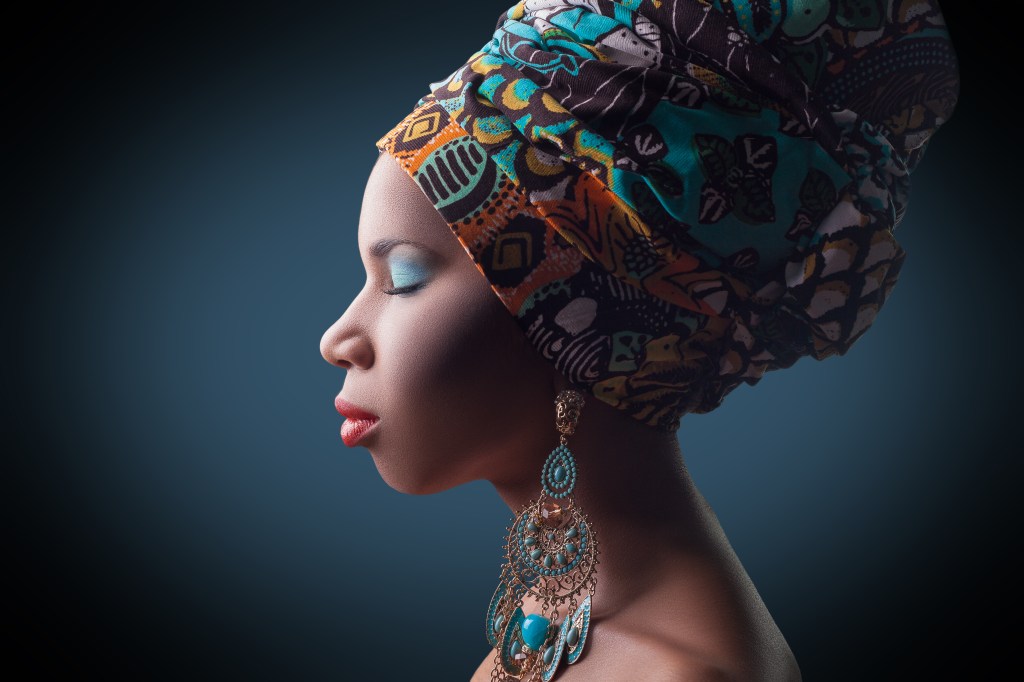
AfroGlobal fashion embraces colour the way the sun embraces the sky — fully, confidently, without hesitation. It celebrates prints, patterns, and silhouettes that command attention and radiate joy.
2. It Is Deeply Rooted in Culture
Every stitch carries history. Every pattern holds meaning. AfroGlobal fashion is a living museum of African heritage, worn proudly by a new generation that refuses to forget where they come from.
3. It Is Innovation Born from Tradition
Designers across the AfroGlobal world blend ancient techniques with modern aesthetics.
Think:
- Ankara meets streetwear
- Kente meets couture
- Adire meets luxury tailoring
This fusion creates something entirely new — fashion that honours the past while shaping the future.
4. It Is Global and Influential
From Beyoncé’s Black Is King to the rise of Afrobeats culture, AfroGlobal fashion has become a global trendsetter. Major fashion houses now draw inspiration from African textiles, silhouettes, and craftsmanship.
But the true power lies in the fact that AfroGlobal designers are leading the movement themselves.
5. It Represents Identity and Pride
Wearing AfroGlobal fashion is an act of self‑expression. It says:
“I know who I am.”
“I honour my roots.”
“I belong to a global family.”
It is fashion with soul.
A Movement That Connects Us All
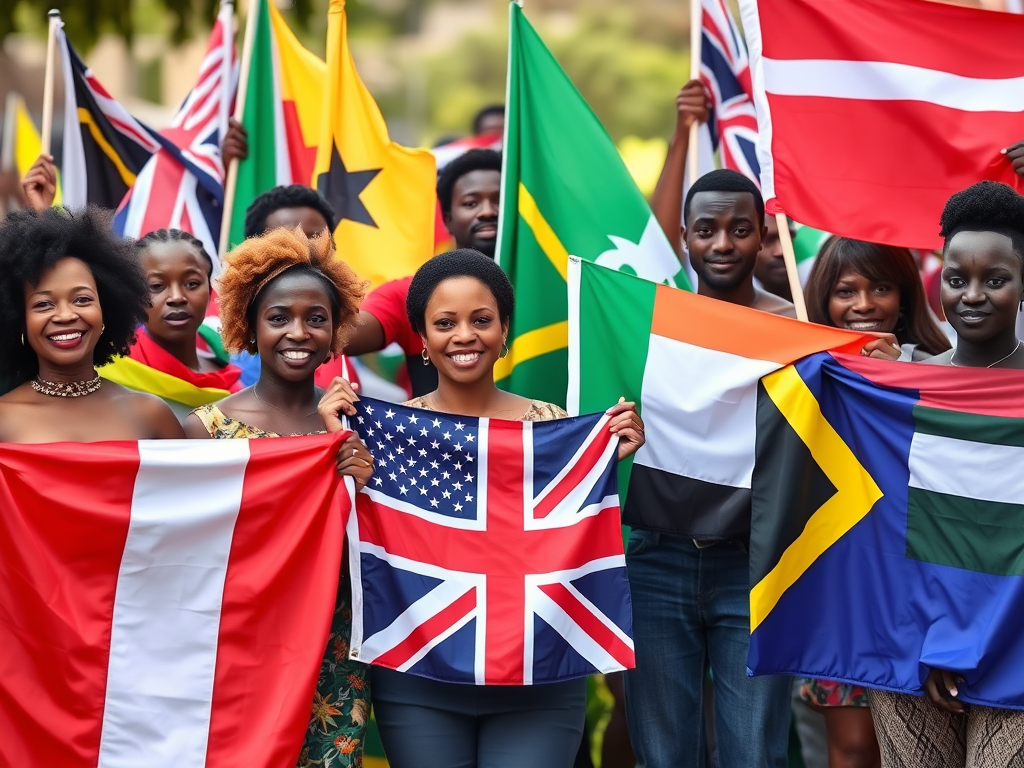
AfroGlobal fashion is more than clothing — it is a bridge. It connects Africans on the continent with those in the diaspora. It unites cultures, generations, and histories. It reminds us that no matter where we live, our identity is woven from the same ancestral thread.
And as the AfroGlobal community rises — in music, film, business, and innovation — our fashion rises with us, shining as a symbol of unity, creativity, and unstoppable potential.
The Future Is AfroGlobal
The world is watching.
The world is inspired.
The world is embracing the beauty of AfroGlobal fashion.
But the most exciting part?
We are just getting started.
From young designers in Lagos to stylists in New York, from artisans in Accra to influencers in Toronto, the AfroGlobal fashion movement is expanding, evolving, and elevating.
It is a celebration of who we are — and who we are becoming.
And as long as we continue to honour our heritage, innovate boldly, and express ourselves fearlessly, AfroGlobal fashion will remain one of the greatest cultural forces of our time.
 Your Magazine
Leave a comment