
By Samantha Rockson
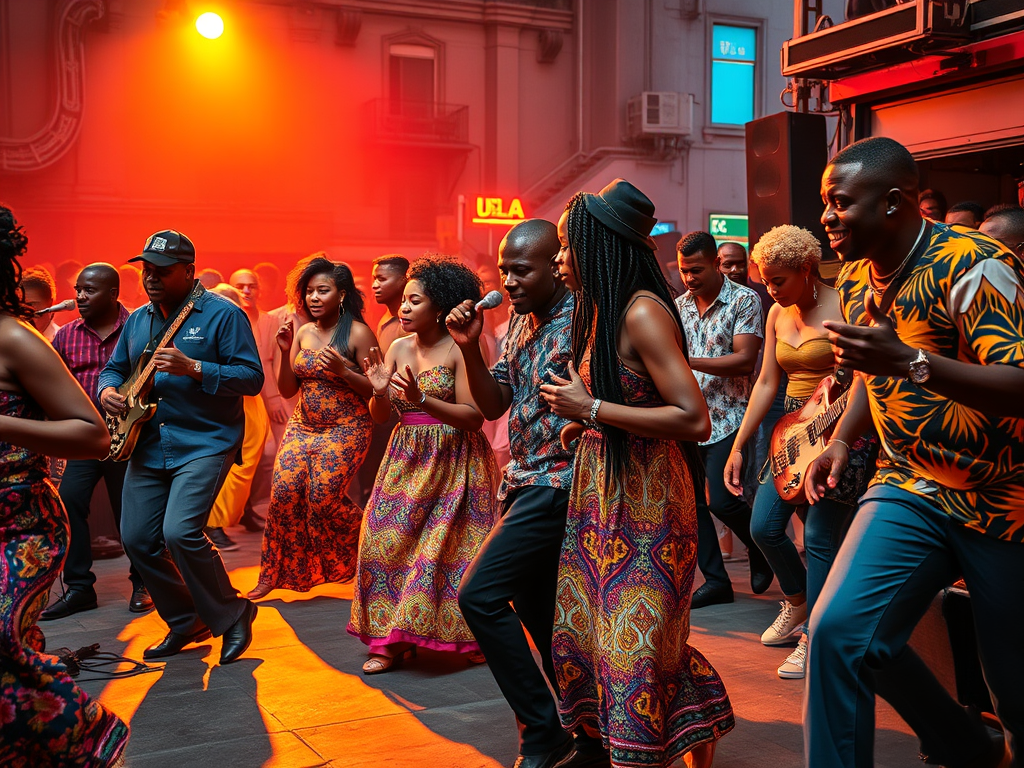
I recently listened in on a discussion about Afrobeats—specifically the trademarking of the term—which I found incredibly insightful as an AfroGlobal enthusiast. I must commend the host, Georg Guise, who moderated the conversation with impressive control. At several points the debate became heated and could easily have derailed, but he kept it balanced and productive.
The panel featured well‑known figures in the Afrobeats scene, including promoters such as SMADE, Bad Guy Toba, DJ Abase, and others. Also present were legal experts, A&R executives, and artist managers like Rickie Davis. I was particularly pleased to see Rickie involved. Having contributed editorial content to past print editions of Your Magazine, I’ve known her passion for Afrobeats for years. It’s inspiring to see her thriving in the US and continuing to champion the culture.
The core of the discussion centred on why DJ Abrantee trademarked certain Afrobeats‑related terms. With my own background knowledge—especially since Rocks PR once considered trademarking “AfroGlobal” before deciding it contradicted our vision of community building—I found the topic fascinating. We learned that brands can be protected in many ways, including through copyright laws, and that in today’s digital world, shaping the narrative is often more powerful than owning a trademark. Still, I was eager to hear the perspectives shared.
For clarity, Abrantee trademarked AFROBEATS MUSIC FESTIVAL, AFROBEATS UK, and DJ Abrantee Afrobeats. Records also show that his brother, Marlon Boateng, attempted to register Afrobeats UK in 2012. While I understood many of the arguments raised about the future of Afrobeats culture, it became clear that some speakers were more focused on monetising Afrobeats than on advancing the culture itself. This made the criticism directed at Abrantee for trademarking his brands somewhat confusing—after all, trademarking is a standard strategic business move. As discussed in a previous Your Magazine feature on narcissism, AfroGlobal communities sometimes demonise behaviours that other cultures simply view as strategic.
Abrantee has certainly made controversial moves in the past, particularly when he was credited by The Guardian in 2012 for coining the term “Afrobeats.” He later clarified:
“I cannot say I invented Afrobeats. Afrobeats was invented before I was born… But what you’ve got to remember is the genre of music artists themselves are now producing… they are calling their music Afrobeats. So that’s what I call it when I put them on my mix tapes.”
How this was interpreted as him claiming to have invented Afrobeats remains unclear. Regardless of personal opinions about him, it is undeniable that Abrantee played a significant role in popularising Afrobeats on an international stage.
One of the most striking points came from Marlon, who shared that he stepped away from the Afrobeats business years ago due to division within the community. He questioned why there are multiple Nigerian Independence events instead of one unified celebration. A valid point. As an AfroGlobal community, we must recognise the power of collective effort—especially when we set aside emotional biases and individual agendas.
I’ve known Abrantee personally for many years. He is a strategic thinker who isn’t afraid to challenge norms or make bold moves, even when they attract criticism. Historically, that was often the nature of the industry. But today, I believe we are entering a new era—one defined by collaboration, community, and shared values. The future of Afrobeats, and AfroGlobal culture more broadly, lies in collective progress rather than individual gain.
I’m pleased that the discussion ended on a positive note, with the creation of a community on Discord to continue exploring how best to move the Afrobeats culture forward.

 Your Magazine
Leave a comment