
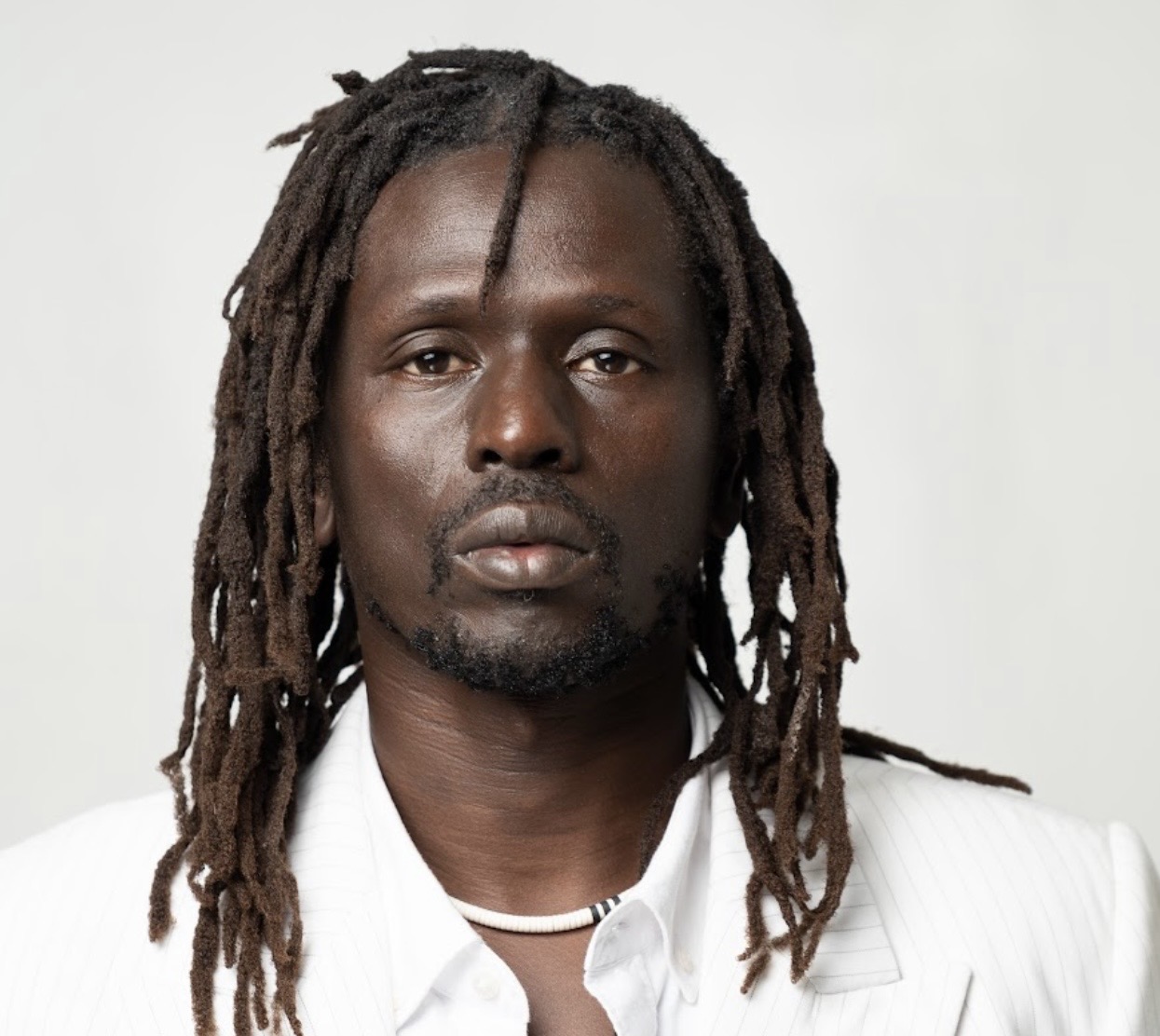
Emmanuel Jal’s childhood was truly stripped away from him. At the age of eight (during the civil war in his homeland, Sudan) Jal was taken away from his family home by the Sudan People’s Liberation Army (SPLA). The rebel movement sent him to Ethiopia, where he was told he would ‘go to school’.
Unbeknown to his family, he was being compelled, brainwashed, beaten and starved in order to become a child soldier. “You are told when you have an AK47 that you are equal to someone really big, even if the gun is bigger than you…,” says Emmanuel. “The commanders used to tell me that this war was not about hatred and revenge, but about freedom.”
In an interview report with The Telegraph, he recalled a situation whereby he witnessed his mother and sisters being violently and sexually abused by the Arab military. “I’d seen Arabs hit my mother so hard, so my desire when I was taken to train at the camp was to kill as many of them as possible.”
After a few years fighting for the SLPA, the then 29-year-old Jal began to question his motives and why he was fighting. He decided to escape from the camp and set off to eastern Sudan, where he was rescued by a British aid worker and was taken to Kenya, where he turned his life around.
Now, this child soldier is an internationally acclaimed musician, who forms soundtracks for Hollywood films such as Blood Diamond, starring Leonardo DiCaprio, and the television series ER. His songs convey the message of peace, and he has been praised by one of the world’s most powerful African leaders, Nelson Mandela.
A few years ago, Emmanuel Jal and his team initiated a music campaign video highlighting concerns regarding the political turmoil breaking out as a result of the election in Sudan. The video, We Want Peace, included some of the world’s biggest stars such as Alicia Keys, George Clooney, Richard Branson, Kofi Annan and the Me FiRi GHANA football team.
Inspirational stories like this are just a reminder that things can easily turn around and that negativity can be channelled into creativity and have a major impact on the world.
Lynda Serwah Gyamfi


 Your Magazine
Leave a comment